
Your air conditioner may be cooling your space but is it really doing its job efficiently and safely? One of the most overlooked components of any AC system is its air filter. At SH Air Conditioner, we’ve found that dirty or clogged filters are one of the top causes of poor AC performance and unhealthy indoor air.

Let’s take a closer look at how unclean filters can impact both your AC system and your health.

1. Reduced Cooling Efficiency

When your AC filter is full of dust, dirt, and debris, airflow becomes restricted. This forces the system to work harder, reducing its cooling capacity and making your room feel less comfortable—even when the thermostat says otherwise. You may even notice uneven cooling or warm spots in your space.

2. Higher Energy Consumption

Because your air conditioner has to work harder to pull air through a clogged filter, it consumes more electricity. This directly leads to higher energy bills, even though you’re not getting the cooling performance you expect. Regular filter cleaning can significantly lower your monthly power costs.

3. Risk of System Damage

Over time, dirty filters can cause serious damage to your AC. Blocked airflow can lead to frozen coils, overheating, or even compressor failure one of the costliest AC repairs. Regular filter maintenance is a simple way to avoid expensive breakdowns.

4. Poor Indoor Air Quality

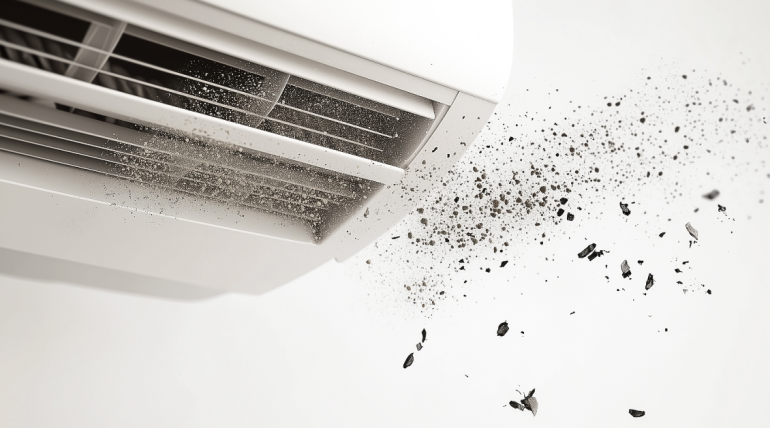
Your AC doesn’t just cool it also filters the air. A dirty filter fails to trap dust, pollen, mold spores, pet dander, and bacteria, allowing them to circulate throughout your room. This can trigger allergies, asthma, headaches, and even long-term respiratory issues, especially in children or the elderly.

5. Musty Odors and Stale Air

A clogged filter can lead to poor ventilation and unpleasant smells, especially if moisture builds up. This is a breeding ground for mold and mildew, which not only smell bad but can also harm your health over time.

Final Thoughts

Keeping your AC filters clean isn’t just about better cooling it’s about energy savings, long-term system health, and your personal well-being. Ideally, you should check and clean your filters every 15–30 days, depending on usage and air quality.

FAQs

Q1. How often should I clean my AC filters?
Ideally every 15 to 30 days, depending on usage and indoor air quality.

Q2. What happens if I don’t clean my AC filters?
Dirty filters reduce cooling, increase energy bills, and may harm your health by circulating dust and allergens.

Q3. Can dirty AC filters cause health problems?
Yes, clogged filters can spread dust, mold spores, and allergens, leading to respiratory issues, allergies, and headaches.

FOR MORE INORMATION : www.shairconditioner.in

Categories: Uncategorized

Leave a Comment

Your air conditioner may be cooling your space but is it really doing its job efficiently and safely? One of the most overlooked components of any AC system is its air filter. At SH Air Conditioner, we’ve found that dirty or clogged filters are one of the top causes of poor AC performance and unhealthy indoor air.

Let’s take a closer look at how unclean filters can impact both your AC system and your health.

1. Reduced Cooling Efficiency

When your AC filter is full of dust, dirt, and debris, airflow becomes restricted. This forces the system to work harder, reducing its cooling capacity and making your room feel less comfortable—even when the thermostat says otherwise. You may even notice uneven cooling or warm spots in your space.

2. Higher Energy Consumption

Because your air conditioner has to work harder to pull air through a clogged filter, it consumes more electricity. This directly leads to higher energy bills, even though you’re not getting the cooling performance you expect. Regular filter cleaning can significantly lower your monthly power costs.

3. Risk of System Damage

Over time, dirty filters can cause serious damage to your AC. Blocked airflow can lead to frozen coils, overheating, or even compressor failure one of the costliest AC repairs. Regular filter maintenance is a simple way to avoid expensive breakdowns.

4. Poor Indoor Air Quality

Your AC doesn’t just cool it also filters the air. A dirty filter fails to trap dust, pollen, mold spores, pet dander, and bacteria, allowing them to circulate throughout your room. This can trigger allergies, asthma, headaches, and even long-term respiratory issues, especially in children or the elderly.

5. Musty Odors and Stale Air

A clogged filter can lead to poor ventilation and unpleasant smells, especially if moisture builds up. This is a breeding ground for mold and mildew, which not only smell bad but can also harm your health over time.

Final Thoughts

Keeping your AC filters clean isn’t just about better cooling it’s about energy savings, long-term system health, and your personal well-being. Ideally, you should check and clean your filters every 15–30 days, depending on usage and air quality.

FAQs

Q1. How often should I clean my AC filters?
Ideally every 15 to 30 days, depending on usage and indoor air quality.

Q2. What happens if I don’t clean my AC filters?
Dirty filters reduce cooling, increase energy bills, and may harm your health by circulating dust and allergens.

Q3. Can dirty AC filters cause health problems?
Yes, clogged filters can spread dust, mold spores, and allergens, leading to respiratory issues, allergies, and headaches.

FOR MORE INORMATION : www.shairconditioner.in

Categories: Uncategorized

Leave a Comment