

July 5, 2025
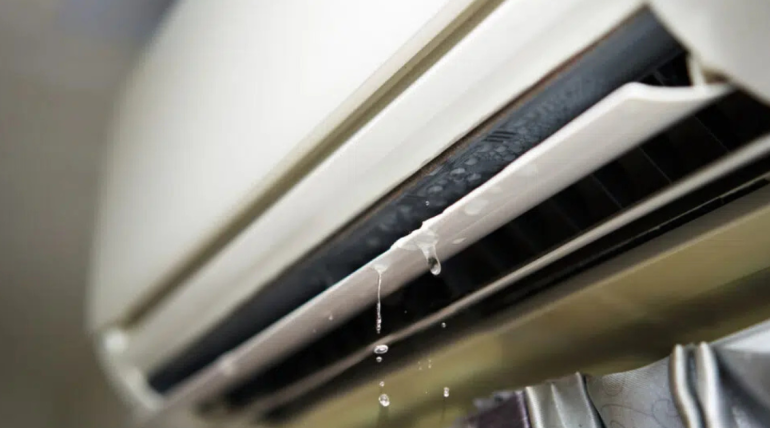
Water leaking from a split AC indoor unit is one of the most common and frustrating problems faced by homeowners, especially during the hot and humid Indian summer. If you’ve noticed water dripping from your AC, you’re not alone this issue affects thousands of AC users each year and can lead to damage to walls, furniture, and even electronics if not fixed on time.
At SH Air Conditioner, we receive countless service requests for this problem across Delhi NCR. In this blog, we’ll help you understand why water drips from your AC indoor unit and what steps you can take to fix it.
Why Does Water Leak from the Indoor Unit?
Your split AC doesn’t just cool the air it also removes moisture from it. This moisture turns into water droplets that are collected and drained outside through a drain pipe. When everything is working properly, this water is safely expelled. However, if any part of the drainage system is blocked or malfunctioning, it can cause water to leak inside your room.
Some of the most common reasons for water dripping from the indoor unit include:
- Clogged or dirty drain pipe
- Improper AC installation or tilt
- Frozen evaporator coils
- Low refrigerant levels
- Dirty air filters
- Damaged or cracked drain pan
How to Fix the Dripping Problem
The first thing to check is the drain pipe. Over time, dust, algae, or debris can clog the drain pipe, preventing the water from exiting the unit. This is one of the most frequent causes of water leakage. A technician can clean or flush the drain pipe using a vacuum pump or air pressure to restore normal drainage.
If your AC was recently installed or relocated, improper tilting of the indoor unit might be the reason. The unit must be slightly tilted towards the drain pipe to ensure water flows out properly. An uneven unit can cause water to collect and eventually drip into the room.
Frozen coils can also lead to water dripping when the ice melts. This is usually due to low refrigerant levels or poor airflow, often caused by dirty filters. Cleaning the filters regularly and ensuring your AC is serviced on time can prevent this issue.
Sometimes, the drain pan inside the indoor unit gets rusted or cracked, causing water to leak even if the drainage system is clear. In such cases, the pan may need to be replaced.
Preventive Maintenance is Key
The best way to avoid indoor water leakage is by scheduling regular maintenance. At SH Air Conditioner, we offer comprehensive AC servicing that includes:
- Cleaning of filters and coils
- Checking and unclogging drain pipes
- Inspecting the drain pan
- Checking refrigerant levels
- Ensuring proper installation tilt
Preventive servicing not only solves current issues but also extends the life of your AC and improves cooling efficiency.
When to Call a Professional
While some minor issues like cleaning the air filters can be done yourself, problems like blocked drain pipes, refrigerant leaks, or frozen coils require professional attention. Ignoring these problems can lead to water damage or even system failure.
If you’re facing water leakage from your split AC, don’t wait for it to get worse. SH Air Conditioner provides fast and affordable AC repair services across Delhi NCR, ensuring your comfort is never compromised.
Conclusion
Water dripping from a split AC indoor unit may seem minor, but it can quickly lead to bigger problems if ignored. Most leaks are caused by clogged drain pipes, dirty filters, or improper installation all of which can be easily fixed with timely service. To avoid damage and discomfort, it’s best to address the issue early. At SH Air Conditioner, our experts are ready to inspect, repair, and keep your AC running smoothly across Delhi NCR.
Quick FAQs
1. Why is my AC leaking water inside the room?
Most likely due to a clogged drain pipe, dirty filter, or incorrect installation tilt.
2. Can I fix a leaking AC myself?
You can clean filters, but for drain pipe cleaning or refrigerant issues, call a professional.
3. Is water leakage from AC dangerous?
It can cause wall damage, mold, and even short circuits if not fixed in time.
4. How often should I service my AC?
At least twice a year before and after summer for optimal performance.